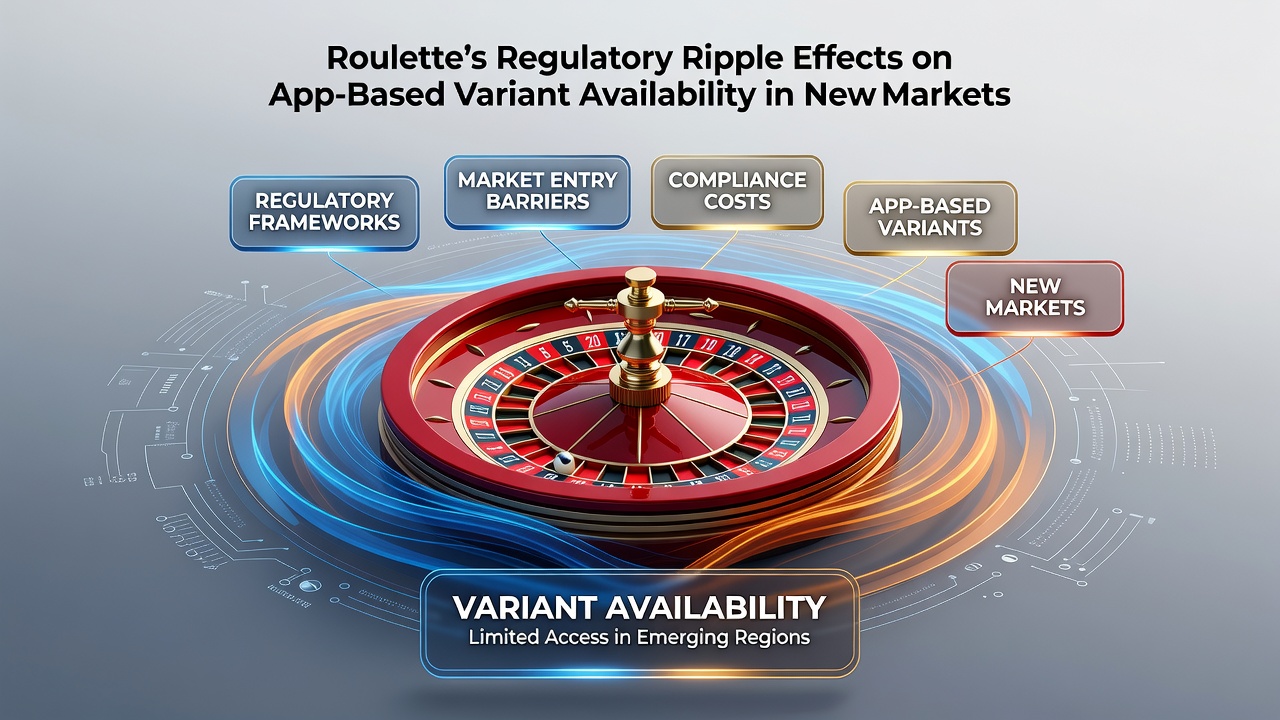
New markets continue to draw attention from digital gaming operators who seek to introduce app-based roulette variants, yet licensing requirements often dictate which versions reach players first. European roulette, American roulette, and French roulette each carry distinct wheel configurations and house edge calculations that regulators examine during certification processes. Data from the Malta Gaming Authority shows that approval timelines for RNG-certified apps averaged 14 weeks in the first half of 2026, with variant-specific testing adding further delays in several jurisdictions. Operators report that app stores enforce additional layers of compliance before listing becomes possible. Age verification protocols, geo-fencing mandates, and data localization rules intersect with gaming authority standards, creating a sequence of hurdles that smaller developers navigate more slowly than established platforms. Observers note that these layered checks particularly affect multi-variant bundles, since each roulette type requires separate probability audits and payout verification.Licensing Pathways and Variant Prioritization
Emerging regulatory bodies frequently prioritize variants that align with consumer protection benchmarks already tested in mature markets. Canadian provincial frameworks, for instance, have required detailed house edge disclosures for all app-based offerings since early 2025, prompting developers to launch European roulette configurations ahead of American versions because the latter's double-zero structure triggers extra statistical reviews. Figures from the Alcohol and Gaming Commission of Ontario indicate that 62 percent of approved roulette apps in the first quarter of 2026 featured single-zero wheels only.
Similar patterns appear in Australian states where interactive gambling legislation continues to evolve. State-level assessments focus on responsible gaming tools such as session timers and loss limits, which integrate differently across roulette variants depending on betting pace and table limits. Those who've studied submission records find that French roulette apps, with their la partage rule, often clear initial screening faster when operators bundle them with enhanced player protection features.
Technical Certification and Cross-Border Distribution
Certification bodies demand source code reviews and live environment testing before any app variant reaches new users. This process becomes especially intricate when operators attempt simultaneous releases across multiple regions, since data residency requirements differ. In September 2026, several Southeast Asian regulators began enforcing server localization for all real-money gaming apps, which forced developers to duplicate infrastructure before variant approvals could proceed.
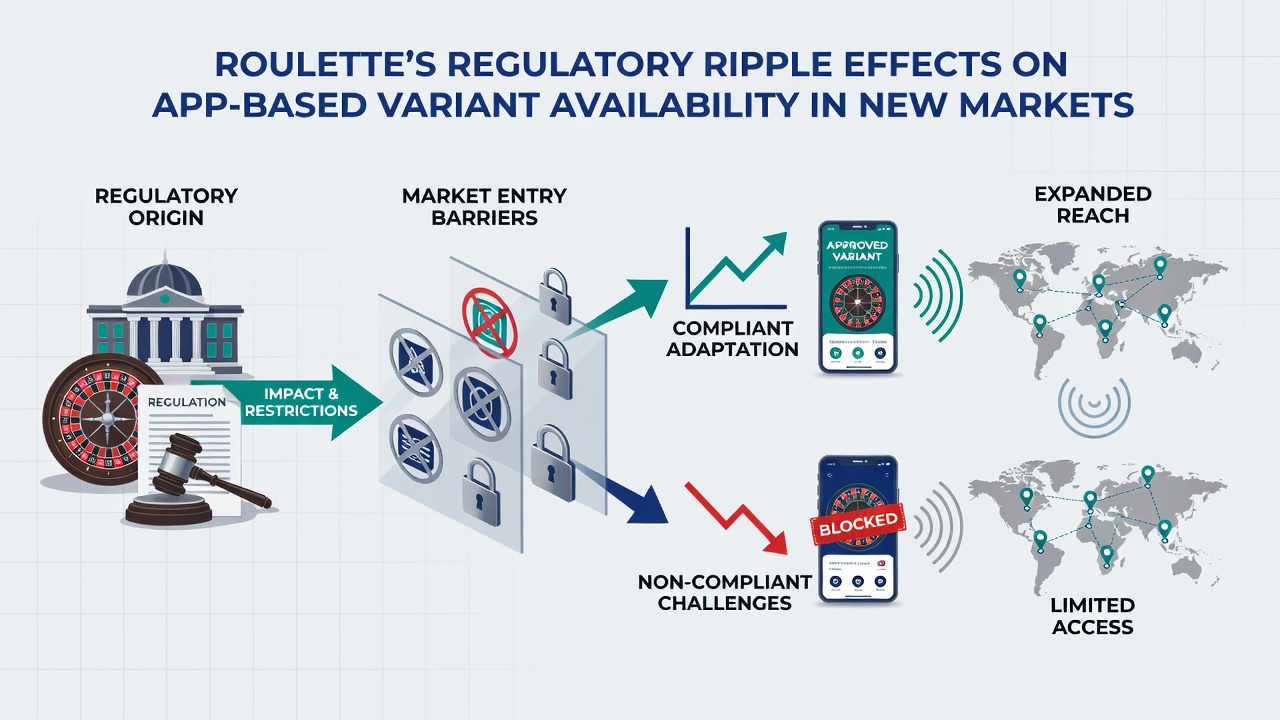
European Gaming and Betting Association reports highlight that cross-regional retention improves when apps offer at least two certified variants, yet the cost of maintaining parallel certification tracks limits availability in smaller markets. Developers therefore sequence releases, starting with the variant that satisfies the strictest RNG and fairness criteria first. This sequencing creates temporary gaps where only one roulette type appears on local app stores for months at a time.
Market Entry Timing and Player Access Patterns
Timing of regulatory approvals directly influences which player cohorts gain early access. Markets that finalize licensing frameworks mid-year, such as certain Latin American jurisdictions updating rules in September 2026, tend to see rushed submissions focused on the simplest variant configurations. Research from the University of Nevada Gaming Research Center indicates that apps offering only European roulette captured 78 percent of initial downloads in three newly regulated territories during similar transition periods in 2025.
Payment integration rules add another filter. Jurisdictions that restrict certain digital wallet providers often see slower rollout for variants requiring higher minimum bets, because transaction monitoring systems must be recalibrated. Operators respond by adjusting table limits within the app, yet these modifications require fresh regulatory sign-off that extends overall deployment schedules.
Conclusion
Regulatory requirements continue to shape which roulette variants become accessible through app stores in new markets, with certification timelines, variant-specific audits, and localization mandates determining release order. Data from multiple oversight bodies shows consistent prioritization of configurations that meet consumer protection thresholds first, while technical and infrastructure rules further segment availability. As additional jurisdictions finalize frameworks through late 2026, the pattern of staggered introductions across European, American, and French roulette apps is expected to persist based on existing submission and approval records.